- From Day One: People & HR
- Posts
- The Hiatus From “Whole Self”
The Hiatus From “Whole Self”

From Day One Editors
November 24, 2025 • Estimated Reading Time: 8 minutes
Remember when workers were invited to “bring their whole selves to work”? When they were welcomed to zones of psychological safety and encouraged to speak freely? When they were given highly flexible work arrangements to suit their lifestyles? When dogs and cats roamed through Zoom meetings?
Well, those days are over.
While no company will exactly say, “return to the office, and please leave your whole self at home,” corporate expectations have changed. The breezy notion of colorful individuality now feels risky. But where exactly are we now?
“The pendulum is swinging. This goes back and forth through the decades,” said Janine Yancey, founder and CEO of Emtrain, which creates workplace compliance and culture training. At the moment, Emtrain’s customers are focused on productivity, cost savings, and efficiency. “It’s really about the bottom line right now.” The employee experience and company culture has receded in importance. “That’s less of a priority,” Yancey told From Day One contributing editor Emily McCrary-Ruiz-Esparza.
The “whole self” concept became HR gospel during the first half of the decade, propelled in different ways by three events: the pandemic, the surge of support for DEI, and the Great Resignation.
During the pandemic, remote work offered glimpses into our colleagues’ homes and lives, and widely shared stress revealed new parts of ourselves. With schools and childcare centers closed, companies granted unprecedented flexibility for workers to care for family members. The social justice movement of 2020 also opened the door for self-sharing at work. Employers spun up employee resource groups and some invited employees to share their feelings in all-hands meetings. Some, like Walmart, even trained staff in mental health first aid to better recognize distress among coworkers.
The Definition Is Tricky
But what exactly does it mean to bring one’s whole self to work? It depends, and that may be the challenge as the bar is reset. Some may feel that it’s a license to dissolve healthy boundaries. Want to pitch a fit in a meeting? Go right ahead. That’s your whole self.
Others may feel relief that they can talk openly about being on the autism spectrum without fear of discrimination. Like most trendy terms, its definition is nebulous. While individual companies may have taken the time to define the term, there’s been no broader consensus.
It’s unlikely that any employer ever wanted employees to bring everything to work. Insubordination was never welcome, even if it comes naturally. “Authenticity at work is guarded authenticity,” said John Higgins, who studies and writes about activism in the workplace. “Because at work, you can be fired. That’s the reality.”
RECENT EVENT HIGHLIGHTS
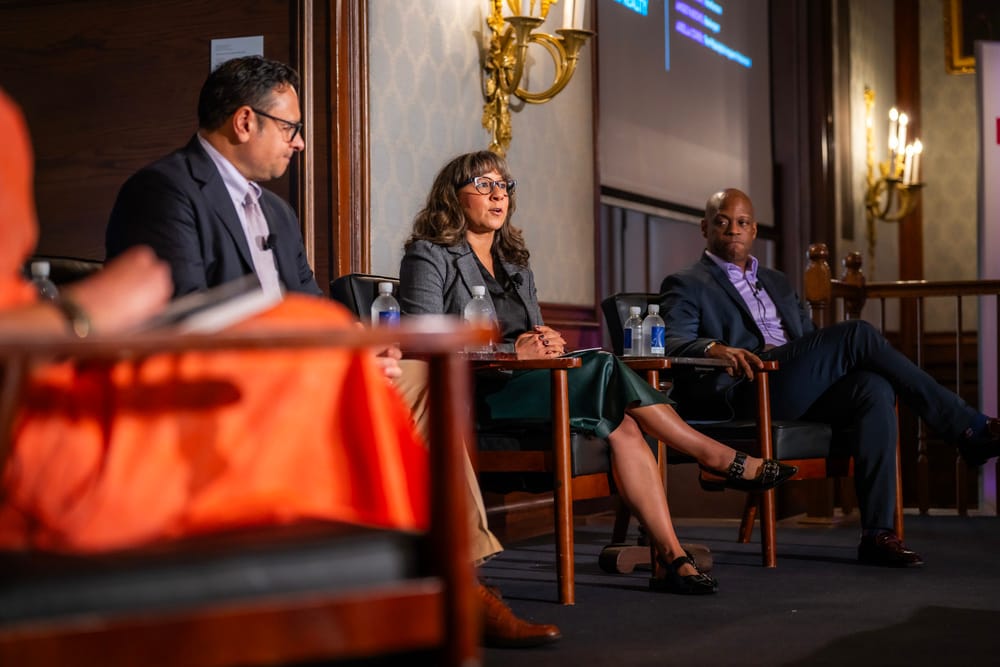
The marketing and advertising firm Ogilvy is careful never to refer to itself as a “legacy” organization, despite its storied history. “We are a founder culture. We believe in being a legendary brand.” Its legendary status is rooted in its work's ability to transcend geography and culture, not only through its products, but with its culture as well. | “My life mantra is lift as I climb,” said panelist Geneva Brown, the chief sustainability and inclusion officer at the Cigna Group. Culture begins with small, deliberate steps, such as setting aside a calendar block for employee calls, leaving a reminder note to follow up, or maintaining an unwavering commitment to creating safe spaces, says Brown. |

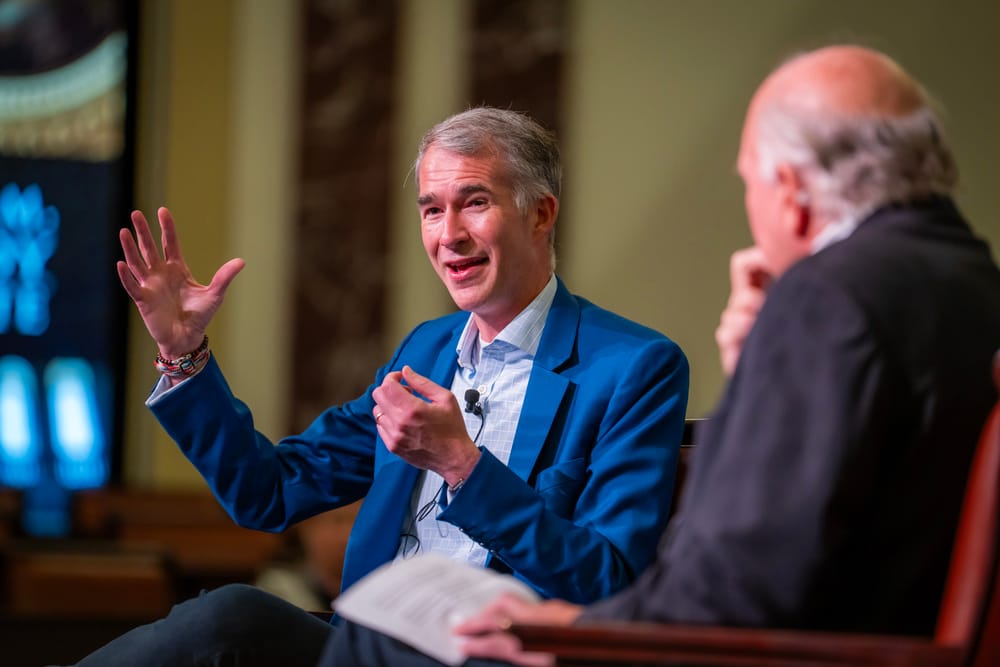
What can a 19th-century nurse teach us about AI? Everything, says innovation expert and author Scott Anthony. Florence Nightingale is remembered as a compassionate caregiver, but Anthony views her as a master of systemic disruption. “She did it through data. She did it through visualization. She shows us what it takes to drive change.” | Managers constantly toggle between the human side of leadership and the demands of metrics and productivity. Leaning too far either way makes it harder to balance both, often leading to burnout and weaker support. “Balancing those two is basically where the art comes in,” said Abhay Gangadharan, director, future of work at Google. |

Upcoming Webinars
December 2
The hardest part of change isn’t the plan—it’s keeping people focused and productive while the ground moves under their feet. In this session, we’ll turn agility from a buzzword into practical steps that cut approval delays, speed up decisions, and support well-being, helping your team shift priorities without confusion or burnout. You’ll learn an organizational psychologist's approach to turning turbulence into momentum by making strategy and trade-offs clear, redeploying people and budgets quickly, and using lightweight experiments and AI as force multipliers.
December 4
Rising prescription costs strain both budgets and employee well-being, but smarter pharmacy benefit strategies can deliver significant savings while supporting healthier outcomes. Pharmacy Benefit Managers (PBMs) play a pivotal role in managing prescription drug costs, but traditional PBM models often obscure pricing and limit transparency, driving up expenses. This webinar will show how modern, transparent PBM approaches can unlock meaningful savings for employers, while enhancing access to medications and improving overall workforce well-being.
December 8
The future of HR technology is a unified ecosystem, moving us from systems of record and engagement to systems of connection and action. In this session, UKG’S Senior Partner, HCM Advisory & Human Insights, Julie Develin and Simpplr’s Chief People Officer, Miriam Connaughton, will explore how hyper-personalization is transforming the user experience for both HR teams and employees. You'll discover how integrated platforms, powered by AI, are enabling a new level of connection that transcends simple data exchange. Join us to learn how to build a tech stack that not only serves your workforce but actively empowers it, turning every interaction into a meaningful moment of growth and connection.
December 9
AI isn’t just automating processes. It’s reshaping how companies recruit and develop talent, how people organize and connect, and how opportunity flows through the workplace. HR leaders now face choices about where AI belongs, who owns decision-making, and how workers find purpose in this landscape. In this session, executive panelists will explore how AI is transforming HR, and share insights on using it effectively. Key questions include: How is AI changing the way companies recruit and develop talent and what does that mean for traditional career paths? How are in-demand skills changing, and how can leaders continue to develop workers in response to these shifts?
December Continued:
Sponsor Spotlight: Strategia Analytics
The embedding of AI in business operations represents the most significant disruption to our working lives since the internet, and for the majority of the workforce—who aren’t old enough to remember how the internet upended not only day-to-day work but entire career trajectories—it’s the most tectonic change in their lifetime. As the workplace morphs into something entirely new, leaders must consider the effects on culture. The trouble is that many “companies often have a hard time understanding how quickly their organization changes,” said Miles Overholt, founder and CEO of Strategia Analytics. Read the full story here.
Sponsor Spotlight: Achievers
“Has anyone ever been visited by the Sunday scaries?” asked Brie Harvey, head of market research for Achievers Workforce Institute. Her audience could relate. Many workers feel burned out, overworked, and underappreciated. Fortunately, employers have an opportunity to transform their culture through impactful employee rewards strategy. Despite nearly $200 billion spent each year on rewards and recognition, fewer than half of employees feel valued. Harvey drew on the Achievers 2025 State of Recognition Report to share why many traditional programs fall short of driving culture or behavior. Read the full story here.
From Day One in a City Near You

Hudson Loft on Hope Street in DTLA
The Georgia Aquarium in Downtown Atlanta
Asia Society Texas Center on Southmore Boulevard
Convene on Hamilton Square
Convene on 101 Park Ave
Convene on 101 Park Ave
JFK Presidential Library & Museum
Computer History Museum in Mountain View
Seattle Art Museum in Downtown Seattle
McNamara Alumni Center at the University of Minnesota
The Art Institute of Chicago in Grant Park
Alfred Lerner Hall at Columbia University
AT&T Executive Education and Conference Center
Half-Day Virtual Conferences
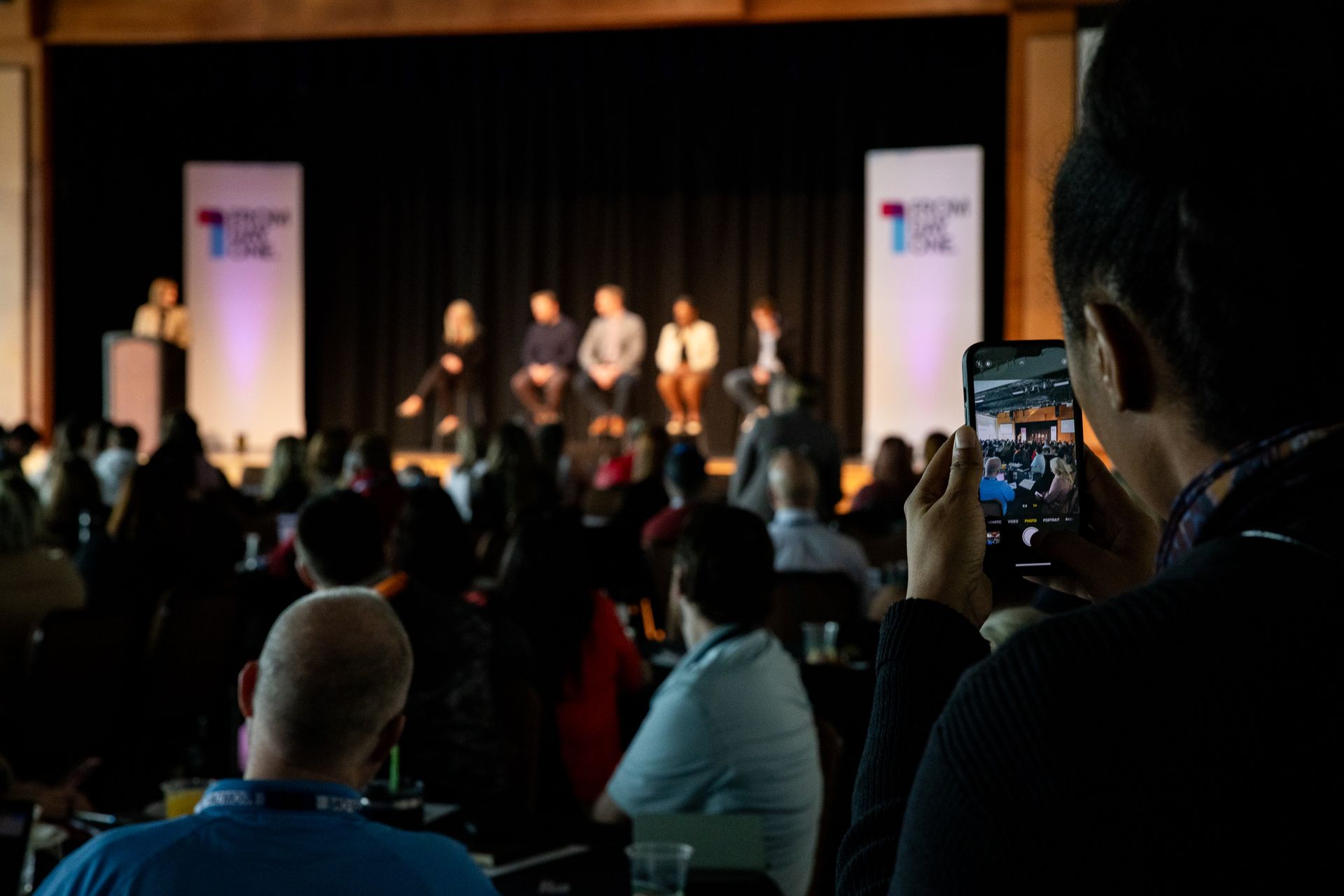
Work changed radically in the first half of the decade, but more change is sure to come. What are the emerging contours? What further tasks will humans delegate to automation and what new skills will workers need to acquire? What will be the future of the full-time job, the career path, and the role of managers? HR leaders, researchers, thinkers and doers will offer their unconventional predictions about the future of work and workers.
At a time when the skills needed tomorrow are often unknown today, companies must build learning cultures that enable employees to upskill, reskill and confidently adapt to evolving roles. How can organizations cultivate a culture that embraces continuous learning and rapidly responds to shifting skill demands? What tools and programs, from gig learning marketplaces to AI-driven simulations, are most effective? How can personalized learning paths and micro-credentials accelerate skill development and career advancement?
March 11, 2026: Talent Acquisition in Transition: Hiring With Speed, Fairness, and Strategic Insight
A single job posting can attract hundreds, or even thousands, of applications due to accessible hiring platforms and technology. For talent teams, the challenge is no longer just attracting interest, but quickly identifying the right candidates, maintaining a fair process, and aligning hiring with long-term business goals. How can employers use AI and automation to streamline hiring without compromising fairness or human judgment? How is skills-based hiring changing how companies define fit and evaluate candidates?
Frontline, hourly workers keep businesses running but often face unique challenges, from limited access to training to feeling disconnected from corporate support. Employers need fresh strategies to attract and retain this vital workforce while investing in their growth and engagement. What innovative approaches, tech, and tools, are helping companies attract and retain frontline talent in a competitive labor market? How can employers design upskilling and development programs that fit the realities of frontline roles? In what ways can technology and communication tools improve connection and inclusion for this population?
As employees seek more from their workplace, support for mental health, family care, financial stability, and long-term security, benefits leaders are under pressure to deliver comprehensive solutions, even while meeting corporate needs for cost controls. What are the most in-demand benefits today, and how are employers prioritizing them? How can companies build total rewards strategies that are both sustainable and responsive to evolving employee needs? How are companies using feedback to refine and communicate their benefits?
Today’s employees are juggling caregiving, financial stress, and the daily challenge of staying mentally and physically well. How can employers tailor benefits to meet the distinct needs of multiple generations in the workforce while maximizing engagement and ROI? What are the most effective and forward-thinking benefits, from financial wellness and mental health resources to reproductive care and family support? How can companies evaluate the impact of their offerings on retention, engagement, and workplace culture?
Even with tighter budgets and leaner teams, employees are expected to continually deliver. Employers need smart tools and strategies that boost productivity while supporting performance and checking in on employees in ways that feel helpful rather than overbearing. What tools and technologies are proven to help employees work smarter, not harder? How can AI help workers save time on routine tasks so they can focus on what really matters? How can leaders measure productivity in ways that capture quality, creativity, and collaboration, not just hours worked?
Organizations must prepare for a future shaped by new technologies, changing employee expectations, and evolving social and economic trends. Success depends on adapting culture, strategy, and workforce models to thrive. What emerging technologies and workplace models will most impact how work gets done in the next five years? How can organizations build inclusive and resilient cultures that attract and retain diverse talent? How should companies balance automation and human skills to create meaningful and productive work?